

Ultimate Guide to Winter Outfits in Hokkaido: Stay Warm Without Looking Bulky
Winter in Hokkaido is nothing short of magical — snowy landscapes, steaming hot springs, and cozy cafés. But along with the beauty comes an undeniable challenge: staying warm without layering yourself into a walking snowball. That's where HOMI's heated apparel changes everything — slim, powerful warmth that lets you enjoy every moment without the bulk.
This guide walks you through Hokkaido's winter weather month by month, how to choose the right fabrics, top outfit recommendations, and what to pack for Hokkaido's most popular destinations. Whether you're exploring Sapporo's streets or carving powder in Niseko, the right gear — starting with the BASE+ 2.0 thermal top and the Next 2.0 Heated Jacket — will keep you stylish and comfortable all trip long.

Hokkaido Winter Weather & Outfit Tips by Month
Hokkaido's winter runs from November to March, with varying temperatures and snow conditions throughout the season:
| Month | Weather & Outfit Recommendations |
|---|---|
| November | 0°C to 10°C (32°F–50°F). Snow begins to fall — a moderately warm heated jacket is essential. |
| December | -3°C to 4°C (26°F–39°F). Winter travel season kicks off. Thermal base layers and insulated outerwear are a must. |
| January | -8°C to -3°C (17°F–26°F). Coldest month — some northern areas hit -13°C. Dress for serious warmth. |
| February | -8°C to -3°C. Full cold-weather protection is necessary. |
| March | 0°C to 5°C (32°F–41°F). Day-night swings are large. Light down or insulated jackets ideal for flexible layering. |
Key to Winter Outfits in Hokkaido: Material Matters
When battling Hokkaido's biting cold, choosing the right fabrics makes all the difference. Here are 4 key tips:
1. Warm Inner Layers
Go for breathable, skin-friendly, insulating fabrics such as wool or fleece. These work perfectly for base layers, providing reliable warmth without discomfort.
2. Lightweight Heated Outerwear
Avoid heavy, restrictive layers by choosing lightweight heated outerwear. Warm yet easy to move in — perfect for sightseeing and winter activities.
3. Water-Resistant Fabrics
Hokkaido's snow can be heavy and wet. Outerwear, pants, shoes, and accessories should have water-repellent properties to keep you dry all day.
4. Durable Outer Layers
Choose abrasion-resistant, easy-to-clean fabrics for jackets and pants — especially important for ski days and outdoor activities.
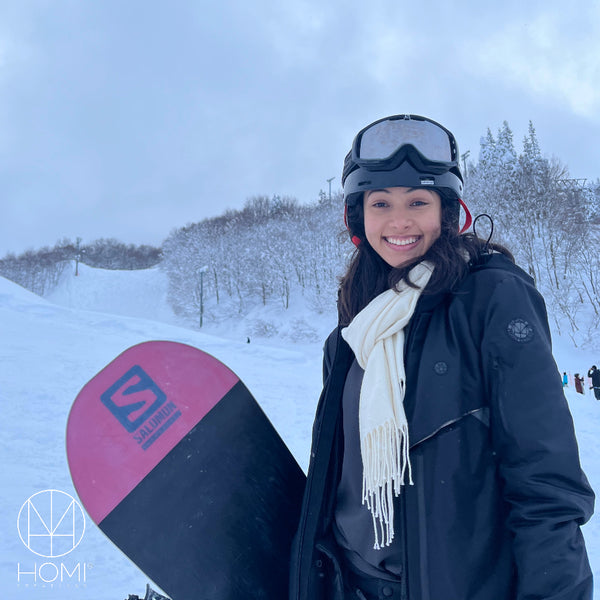
Hokkaido Winter Tops: Layering for Warmth & Comfort
Hokkaido's indoor spaces are well-heated — from trains to restaurants. The best strategy is multi-layer outfits so you can adapt to different environments.
| Layer | Key Features | Recommended Clothing |
|---|---|---|
| Base Layer | Moisture-wicking | Thermal tops, sweat-wicking shirts |
| Mid Layer | Traps body heat | Heated vests, fleece mid-layers |
| Outer Layer | Windproof & waterproof | Heated jackets, insulated coats |
BASE+ 2.0 THERMAL TOP — Warmth Without Bulk
The BASE+ 2.0 features a dual-layer design: a soft, breathable inner layer and a sweat-wicking outer layer that regulates body temperature. Perfect as a ski base layer in Hokkaido.


SUSTAIN SPORT HEATED VEST — Light, Stretchy & Adjustable
This slim heated vest is ideal for managing Hokkaido's indoor-outdoor temperature shifts. Powered by any safety-certified 5V 1A or 5V 2A power bank.


NEXT 2.0 HEATED JACKET — Versatile & Weather-Ready
Using Japanese carbon fiber heating technology, the Next 2.0 offers adjustable warmth, water resistance, and wind protection — ideal for Hokkaido travel without overpacking. Works with any safety-certified 5V 1A or 5V 2A power bank.
Hokkaido Winter Bottoms & Accessories: Waterproof is Essential
| Item | Recommendation |
|---|---|
| Pants | Windproof, waterproof, fleece-lined. Slim but non-restrictive for easy movement. |
| Shoes | Waterproof insulated snow boots with anti-slip soles — Hokkaido streets are icy. |
| Accessories | Scarves, beanies, waterproof gloves. Keep them breathable to avoid trapped moisture. |
What to Wear in Sapporo in Winter: City Outfit Guide
Sapporo is Hokkaido's capital and the most visited city in winter — home to the famous Sapporo Snow Festival (early February), Odori Park, and the Susukino entertainment district. Unlike ski resorts, Sapporo is an urban environment where you'll be walking between heated buildings, riding the subway, and dining out — so your outfit needs to handle both freezing streets and warm interiors.
🏙️ Sapporo City Outfit: Key Differences from Ski Resorts
- Style matters more — you're in a city, not on a mountain. Bulky ski gear looks out of place in Sapporo's restaurants and shopping areas
- Indoor-outdoor transitions are constant — you'll overheat in a heavy down coat the moment you enter a heated building or subway station
- Icy pavements are the main hazard — anti-slip boots are non-negotiable on Sapporo's streets
- Wind chill is significant — Sapporo averages -4°C to -8°C in January but wind makes it feel much colder
👕 Recommended Sapporo City Outfit
The ideal Sapporo city outfit is slim, stylish, and adaptable. Start with the BASE+ 2.0 Thermal Top as your base — it's thin enough to wear under any outfit without adding bulk, yet warm enough to handle sub-zero temperatures. Layer the Next 2.0 Heated Jacket over it as your outer layer — its slim profile looks sharp in the city while the carbon fiber heating keeps you warm on the walk between venues. When you step inside, simply dial down the heat setting rather than removing layers.
| Item | Sapporo City Recommendation |
|---|---|
| Top | BASE+ 2.0 Thermal Top — slim, warm, invisible under any outfit |
| Jacket | Next 2.0 Heated Jacket — city-ready silhouette, adjustable heat |
| Bottoms | Slim-fit thermal-lined trousers or jeans with thermal leggings underneath |
| Shoes | Waterproof ankle boots or snow boots with anti-slip soles — essential on icy pavements |
| Accessories | Beanie, touchscreen gloves, compact scarf |
🎉 Sapporo Snow Festival Outfit Tips
The Snow Festival runs in early February when Sapporo is at its coldest. You'll be standing outside for extended periods viewing the snow sculptures — often in the evening when temperatures drop further. This is when the Sustain Sport Heated Vest as a mid-layer under the Next 2.0 makes a real difference, keeping your core warm during long outdoor sessions without adding visible bulk to your outfit.
What to Wear Skiing in Hokkaido: Niseko, Furano & Rusutsu
Hokkaido is home to three world-class ski resorts, each with slightly different conditions. Here's what to wear at each:
⛷ Niseko — The World's Best Powder Snow
Niseko receives some of the world's driest, deepest powder snow — averaging over 15 metres per season. Temperatures range from -10°C to -3°C on the slopes. The BASE+ 2.0 worn under the Next 2.0 Heated Jacket is the ideal 2-layer system — warm enough for lift lines, breathable enough for active skiing.
⛷ Furano — Quieter Slopes, Colder Temperatures
Furano sits in central Hokkaido and is known for consistent snow quality and fewer crowds. Temperatures can drop to -15°C at altitude. The BASE+ 2.0 paired with the Sustain Sport Heated Vest as a mid-layer gives maximum core warmth without restricting movement.
⛷ Rusutsu — Family-Friendly with Varied Terrain
Rusutsu offers wide, tree-lined runs popular with families and intermediate skiers. Temperatures sit around -8°C to -5°C. You'll move frequently between outdoor slopes and warm indoor areas — a heated jacket with adjustable settings lets you dial warmth up or down without stopping to change layers.
Hokkaido Winter Packing Checklist
| Category | What to Pack |
|---|---|
| Base Layer | BASE+ 2.0 Thermal Top × 2, thermal leggings |
| Mid Layer | Sustain Sport Heated Vest or fleece |
| Outer Layer | Next 2.0 Heated Jacket — water-repellent & windproof |
| Bottoms | Sustain Heated Pants or waterproof ski pants |
| Neck | Warm scarf or neck gaiter |
| Feet | Waterproof insulated snow boots with anti-slip soles |
| Hands | Waterproof ski gloves or mittens |
| Head | Thermal beanie or ski helmet liner |
| Power | Safety-certified 5V 1A or 5V 2A power bank for heated gear |
Frequently Asked Questions: Winter Outfits in Hokkaido
What should I wear in Hokkaido in January?
January is Hokkaido's coldest month, with temperatures from -8°C to -13°C in northern areas. You'll need a thermal base layer like the BASE+ 2.0, a heated mid-layer or vest, and a windproof, water-repellent outer jacket like the HOMI Next 2.0. Don't forget insulated boots, gloves, and a beanie.
What should I wear in Sapporo in winter?
Sapporo winters average -4°C to -8°C with significant wind chill. For city sightseeing, a slim thermal base layer like the BASE+ 2.0 under the Next 2.0 Heated Jacket is ideal — stylish enough for restaurants and shopping, warm enough for walking between venues. Anti-slip boots are essential on icy pavements.
What should I wear to the Sapporo Snow Festival?
The Snow Festival is held in early February — Sapporo's coldest period. You'll be standing outside for long periods in the evening. Layer the Sustain Sport Heated Vest under the Next 2.0 Heated Jacket for maximum warmth without bulk, and wear waterproof boots with anti-slip soles.
How many layers do I need for Hokkaido winter?
Three layers is the standard: a moisture-wicking base layer, a heat-trapping mid layer, and a windproof/waterproof outer layer. With a heated jacket like the Next 2.0, you can often replace two layers with one — staying warmer with less bulk.
Is Hokkaido colder than Tokyo in winter?
Yes, significantly. Tokyo winters average 5°C to 10°C, while Hokkaido regularly drops to -8°C or colder. Gear that works in Tokyo will not be sufficient for Hokkaido.
What kind of jacket is best for Hokkaido skiing?
A water-repellent, windproof jacket with active heating is ideal. The HOMI Next 2.0 uses carbon fiber heating and works with any standard 5V 1A or 5V 2A power bank — adjustable warmth without the bulk of a heavy down coat.
What should I wear skiing in Niseko?
Niseko's powder snow and sub-zero temperatures demand full waterproof ski gear over a quality heated base layer. The BASE+ 2.0 + Next 2.0 Heated Jacket combination is ideal — warm enough for lift lines, breathable enough for active runs.
What shoes should I wear in Hokkaido winter?
Waterproof insulated snow boots with anti-slip soles are essential. Hokkaido streets and sidewalks are often icy, so grip is as important as warmth.
Planning a winter trip to Hokkaido? Explore HOMI's full heated apparel collection and gear up for the slopes, the streets, and everything in between.

Also in Blog

How to Dress for Winter in New Zealand & Australia

Why a Heated Jacket is a Must-Have for Winter Adventures
Ski Australia from the USA: Your Guide to Melbourne, Sydney, Perisher & Thredbo
Planning to ski or snowboard in New Zealand? Explore Queenstown, Mt Hutt, and Cardrona on the South Island. Perfect off-season ski trip for Americans—stay warm with HOMI’s Thermal Base Layer & Heated Jacket.