

How to Dress for Winter in New Zealand & Australia

Most people pack completely wrong for a Southern Hemisphere ski trip. They bring too many bulky layers, forget wind protection for the cities, and end up cold on the mountain and overdressed in town. Here's the system that actually works — tested across Queenstown, Perisher, and Thredbo.
If you're heading to New Zealand or Australia in June, July, or August, you're dealing with a real winter — not the mild stereotype. Skiing Perisher at -10°C or standing on Wellington's waterfront in a July southerly is genuinely cold. The right gear makes the difference between a miserable trip and an unforgettable one. This guide covers exactly what to wear, built around the HOMI BASE+ 2.0 Thermal Top, the Next 2.0 Heated Jacket, and the TheHood Pro waterproof shell.
Quick links: 3-Layer System | Resort Comparison | Packing List | Common Mistakes | FAQ
Understanding Southern Hemisphere Winter
New Zealand and Australia's ski season runs June through September — the opposite of Europe and North America. Temperatures vary dramatically by location:
- Queenstown, NZ — ski fields at 1,800m+, -5°C to 5°C on the mountain, 5°C–12°C in town
- Wanaka / Cardrona, NZ — similar to Queenstown, drier and sunnier
- Perisher, NSW Australia — Australia's largest ski resort, -10°C to 2°C on peak days
- Thredbo, NSW Australia — more sheltered, -5°C to 5°C, longer season
- Melbourne / Sydney in winter — mild but unpredictable, 8°C–16°C with wind and rain
The key challenge: dramatic temperature swings between mountain and town. You'll be skiing in -8°C in the morning and having lunch in 12°C sunshine. Your layering system needs to handle both.
Resort Comparison: Queenstown vs Perisher vs Thredbo vs Cardrona
| Resort | Country | Season | Temp on Mountain | Best For | Gear Priority |
|---|---|---|---|---|---|
| Coronet Peak / The Remarkables (Queenstown) | New Zealand | Jun – Oct | -5°C to 2°C | All levels, après-ski | Waterproof shell + thermal base |
| Cardrona (Wanaka) | New Zealand | Jun – Oct | -8°C to 0°C | Families, beginners | Heated jacket + thermal base |
| Perisher (NSW) | Australia | Jun – Sep | -10°C to 2°C | Largest resort, all levels | Heated jacket essential |
| Thredbo (NSW) | Australia | Jun – Sep | -5°C to 5°C | Intermediate/advanced | Thermal base + waterproof shell |
The 3-Layer System for NZ & Australian Winter
Layer 1 — Base Layer (Most Important)
Your base layer is the foundation of everything. It needs to wick moisture away from your skin, retain warmth, and stay fresh across multiple days of wear — especially important when you're travelling light.
The HOMI BASE+ 2.0 Thermal Top is built specifically for this. Its SUSTAIN THERMO TECH double-layer fabric combines a moisture-wicking outer layer with a ceramic micro-brushed inner lining for warmth without bulk. MicroBan® antibacterial treatment keeps it fresh for multi-day trips.

For skiing: Thermal base layer top + thermal leggings under ski pants.
For city days: The BASE+ 2.0 works as a standalone long-sleeve — slim enough to wear under a shirt or on its own.

💡 Pro tip: Pack 2 BASE+ 2.0 tops — one to wear on the mountain, one drying back at the lodge. Quick-dry fabric means it's ready again by morning.

Layer 2 — Mid Layer (Warmth on Demand)
On the mountain, a heated vest or light insulating layer goes between your base and outer shell. Off the mountain, this becomes your main jacket for town.
- Heated vest — lightweight, packable, targeted core warmth without restricting arm movement on skis
- Technical hoodie — the HOMI TheHood Tech with far-infrared fabric works as a mid-layer or standalone in town
Layer 3 — Outer Shell (Wind & Water Protection)
New Zealand weather is famously unpredictable — four seasons in one day is a cliché because it's true. Your outer layer needs to handle rain, wind, and snow without being a heavy ski-specific jacket you can't wear in town.

The HOMI TheHood Pro is the ideal NZ/AUS travel outer layer — 20,000mm waterproof rating, triple-layer lamination, and a Rapid Flow™ quick-dry system. It looks like a regular jacket in Queenstown's restaurants and bars, but performs like technical ski outerwear on the mountain.

For dedicated ski days, the Next 2.0 Heated Jacket adds active carbon fiber heating — essential for cold Perisher mornings when the lifts open at -10°C.


❄️ Ready to gear up? The BASE+ 2.0, Next 2.0 Heated Jacket, and TheHood Pro ship free to Australia and New Zealand on orders over $200.
What to Pack: The Complete List
For a Ski Trip (Queenstown, Perisher, Thredbo)
- ✅ Thermal base layer top × 2 (BASE+ 2.0 — quick-dry, pack both colours)
- ✅ Thermal leggings × 1
- ✅ Heated jacket or heated vest for the mountain
- ✅ Waterproof outer shell (TheHood Pro doubles as ski jacket + town jacket)
- ✅ Ski pants (rent on-mountain or bring your own)
- ✅ Beanie, gloves, neck gaiter
- ✅ Après-ski layer — a technical hoodie works perfectly
For City Winter Travel (Melbourne, Sydney, Auckland, Wellington)
- ✅ BASE+ 2.0 thermal top as a daily base or standalone layer
- ✅ Waterproof jacket — Melbourne and Wellington winters are wet and windy
- ✅ Light mid-layer (hoodie or vest)
- ✅ Comfortable walking shoes with grip — wet cobblestones in Wellington are no joke

Common Mistakes Travellers Make
- Underpacking for the mountain — NZ and AUS ski resorts are genuinely cold. Don't assume "it's Australia" means mild weather at altitude.
- Overpacking bulky layers — a good technical base layer eliminates the need for multiple thick jumpers. Pack smarter, not heavier.
- Forgetting wind protection in cities — Wellington is one of the windiest cities in the world. A windproof outer layer is essential.
- Cotton base layers — cotton holds moisture and gets cold fast. Always use a technical moisture-wicking base layer for skiing.
📌 Remember: Cotton kills warmth. Once it's wet with sweat, it stays cold. A technical base layer like the BASE+ 2.0 wicks moisture away and keeps you warm even during high-output skiing.
Frequently Asked Questions
What should I wear skiing in Queenstown in July?
A thermal base layer (like the BASE+ 2.0), a mid-layer or heated vest, and a waterproof outer shell. Temperatures on Coronet Peak in July average -3°C to 2°C, so proper layering is essential.
Is it cold enough to need a heated jacket in Australia?
Yes — especially at Perisher, where morning temperatures regularly hit -10°C. The Next 2.0 Heated Jacket is ideal for Australian ski resorts where the cold is dry and intense at altitude.
What's the best base layer for skiing in New Zealand?
A technical moisture-wicking base layer like the HOMI BASE+ 2.0 — it wicks sweat during active skiing, retains warmth on chairlifts, and stays fresh for multi-day trips thanks to MicroBan® antibacterial treatment.
Can I wear the same jacket on the mountain and in Queenstown town?
Yes — the TheHood Pro is designed exactly for this. 20,000mm waterproof rating for the mountain, clean minimal design for restaurants and bars in town.
When is the best time to ski in Australia and New Zealand?
Peak season is July and August for both countries. New Zealand's season runs June–October, Australia's June–September. Early July offers the best combination of snow depth and manageable crowds.
The HOMI NZ & Australia Winter Kit

- BASE+ 2.0 Thermal Top — moisture-wicking, antibacterial, 3-season base layer
- Next 2.0 Heated Jacket — carbon fiber heating for cold mountain mornings
- TheHood Pro — 20,000mm waterproof shell that works on and off the mountain
All three ship worldwide with free shipping over $200 to Australia and New Zealand. Read our thermal shirt guide to understand exactly how base layer technology works, or check our Hokkaido winter outfit guide for more cold-weather inspiration.

Also in Blog

Why a Heated Jacket is a Must-Have for Winter Adventures
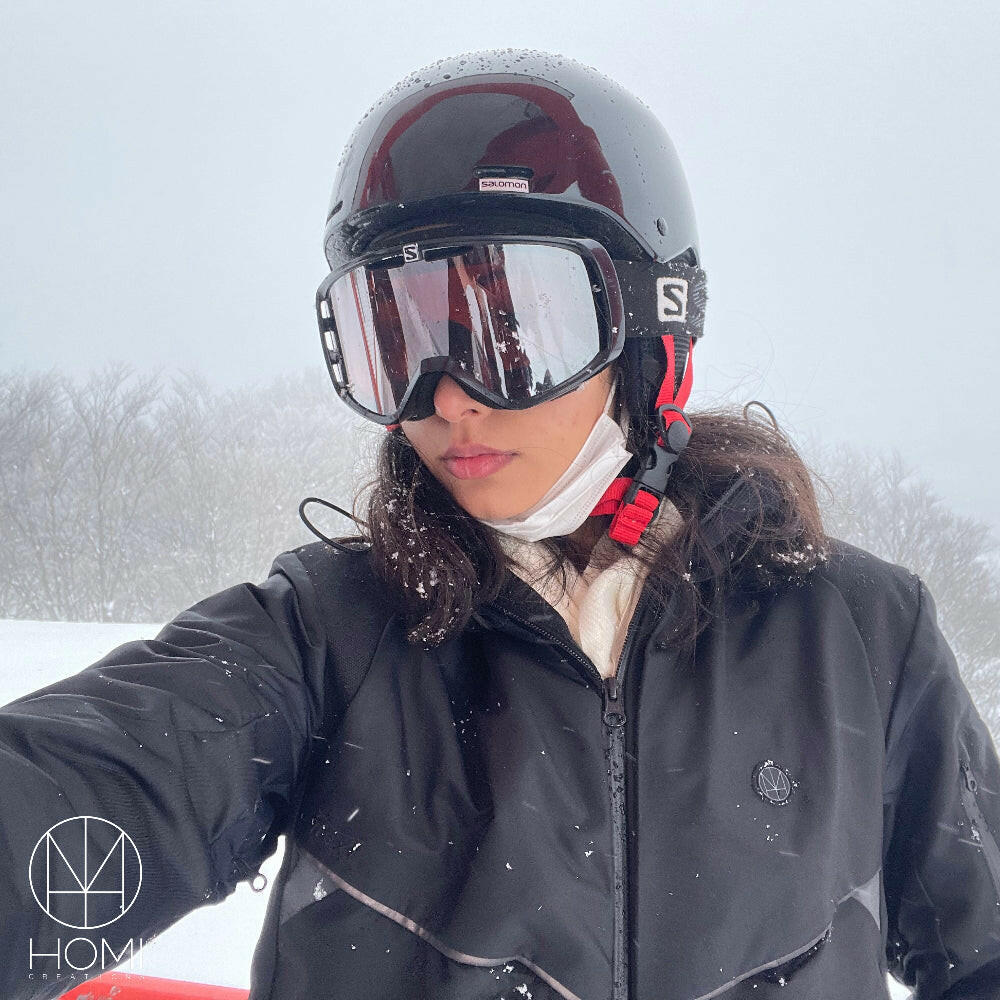
Ski Australia from the USA: Your Guide to Melbourne, Sydney, Perisher & Thredbo
Planning to ski or snowboard in New Zealand? Explore Queenstown, Mt Hutt, and Cardrona on the South Island. Perfect off-season ski trip for Americans—stay warm with HOMI’s Thermal Base Layer & Heated Jacket.
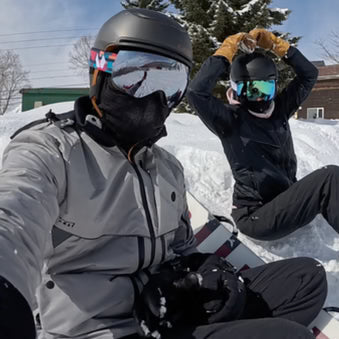
Skiing in Australia: Melbourne, Sydney, Perisher & Thredbo – Gear Up with the Right Base Layers & Heated Jackets
Planning a ski trip to Australia? Discover Perisher & Thredbo near Melbourne and Sydney. Perfect off-season skiing for U.S. travelers—stay warm with HOMI’s Thermal Base Layer & Heated Jacket.