

Thermal Shirts Explained: How They Work & The Best Styles for Lightweight Winter Outfits

As temperatures drop, the thermal shirt is often the first winter essential people reach for — but most people don't know how they actually work, which fabric is best, or how to choose the right one. With the right knowledge, you can shop smarter and find a thermal top that keeps you both warm and comfortable all winter long.
This guide covers the science behind thermal wear, how to choose the right style for skiing, hiking, or everyday use, proper care tips, and why the HOMI BASE+ 2.0 outperforms traditional thermals. If you're building a complete winter outfit, pair it with the Next 2.0 Heated Jacket or the Sustain Sport Heated Vest for a full layering system.
What Is a Thermal Shirt & Why Is It a Winter Essential?
A thermal shirt is an inner layer designed with special fabrics or technologies that help your body retain heat more efficiently. Unlike traditional heavy sweaters or puffer jackets, thermals don't rely on bulky insulation — they use smarter textile engineering to trap or generate warmth.
Here's why thermal shirts have become a wardrobe must-have:
- ✔️ Lightweight Warmth – Thin, body-hugging, and easy to move in, thermals give you reliable warmth without bulk
- ✔️ Perfect Base Layer – Soft, stretchy, and comfortable against the skin, they layer invisibly under any outfit
- ✔️ Core Heat Retention – By keeping your torso warm, thermals help maintain overall body warmth
- ✔️ Dry & Comfortable – High-quality thermal wear manages moisture, preventing that clammy, sticky feeling

How Do Thermal Shirts Work? 3 Key Technologies
Contrary to popular belief, thermal shirts don't “generate heat” like a heater. Instead, they maximize your body's own warmth by using smart fabric technologies:
1. Moisture-Absorbing Heat Technology
Even when you're not sweating, your body constantly releases moisture. Certain fibers (like acrylic or rayon blends) absorb this moisture and release a small amount of heat during the process — creating a gentle warming effect. That's why the BASE+ 2.0 works best worn directly against the skin.
2. Far-Infrared Technology
Some fabrics are infused with ceramic or carbon particles that absorb your body heat and re-emit it back as far-infrared energy. Your skin absorbs this energy, creating a deep, lasting warmth that feels different from simple insulation. The HOMI BASE+ 2.0 uses this technology in key areas like the shoulders and arms — the zones that lose heat fastest.
3. High-Tech Fiber Structures
Instead of chemical additives, some thermals use advanced fiber shapes:
- Hollow fibers trap air for insulation
- Multi-angled fibers (Y- or cross-shaped) create air pockets for extra warmth
- Ultra-fine fibers create dense fabrics that reduce heat loss while staying thin and flexible
The BASE+ 2.0 combines all three approaches in its STT dual-layer construction — the result is a thermal that outperforms single-technology alternatives at every temperature range.
Thermal Shirt Comparison: Which Fabric Is Best?
| Fabric | Warmth | Moisture-Wicking | Odor Resistance | Dries Fast | Stylish |
|---|---|---|---|---|---|
| HOMI BASE+ 2.0 | ★★★★★ | ★★★★★ | ★★★★★ | ★★★★★ | ★★★★★ |
| Merino Wool | ★★★★☆ | ★★★★☆ | ★★★★★ | ★★☆☆☆ | ★★★☆☆ |
| Standard Polyester | ★★★☆☆ | ★★★☆☆ | ★★☆☆☆ | ★★★★☆ | ★★☆☆☆ |
| Cotton Thermal | ★★☆☆☆ | ★☆☆☆☆ | ★★☆☆☆ | ★☆☆☆☆ | ★★★☆☆ |
Best Thermal Shirt by Use Case
🎿 Best Thermal Shirt for Skiing & Snowboarding
On the slopes, you need a thermal that handles both intense activity (sweating on runs) and static cold (lift queues). The BASE+ 2.0 ceramic brushed lining wicks moisture instantly and dries fast — wash it at night, wear it again the next morning. For a complete ski system, layer it under the Next 2.0 Heated Jacket. On the coldest days, add the Sustain Sport Heated Vest as a mid-layer for active core warmth at the lift queue. See our Niseko ski outfit guide for the full breakdown.
🥾 Best Thermal Shirt for Hiking & Outdoor Activities
Hiking generates a lot of body heat on the move, but you cool down fast when you stop. You need a thermal that breathes during exertion and insulates at rest. The BASE+ 2.0's dual-layer construction handles this transition better than single-layer thermals. On colder hikes, pair it with the Sustain Sport Heated Vest — its slim profile doesn't restrict movement and the adjustable heat means you can dial it down on the ascent and up at the summit.
❄️ Best Thermal Shirt for Extreme Cold (Aurora Watching, Arctic Travel)
When you're standing still in -18°C to -30°C, passive thermal insulation alone isn't enough. The BASE+ 2.0 as a base layer, combined with the Sustain Sport Heated Vest and the Next 2.0 Heated Jacket, creates an active 3-layer system that generates warmth even when completely stationary. All three pieces run on any standard 5V power bank. See our Finnish Lapland aurora outfit guide for the full system in action.
🏢 Best Thermal Shirt for Everyday Office & City Wear
For commuting and office wear, you need a thermal that's slim enough to wear under a shirt or blazer without adding visible bulk. The BASE+ 2.0 is thin enough to disappear under a dress shirt, yet warm enough to replace a heavy sweater on cold commutes. On particularly cold days, the Next 2.0 Heated Jacket over the BASE+ 2.0 gives you a city-ready 2-layer system — slim profile, adjustable heat, no bulk.
Complete HOMI Winter Layering System
The BASE+ 2.0 is designed to work as part of a complete HOMI layering system. Here's how the full range fits together:
| Layer | Product | Best For |
|---|---|---|
| Base | BASE+ 2.0 Thermal Top | All conditions — moisture-wicking, far-infrared warmth |
| Mid | Sustain Sport Heated Vest | -10°C and below, static cold, skiing lift queues |
| Outer | Next 2.0 Heated Jacket | All conditions — windproof, water-repellent, carbon fiber heating |
All heated pieces run on any safety-certified 5V 1A or 5V 2A power bank — no proprietary battery required. Mix and match based on temperature: BASE+ 2.0 alone for mild cold, add the vest for -10°C, add the jacket for -15°C and below.
Men's vs Women's Thermal Shirts: What's the Difference?
| Feature | Men's Thermal | Women's Thermal |
|---|---|---|
| Cut | Straight, broader shoulders | Tapered waist, shorter torso |
| Length | Longer hem, stays tucked | Hip-length, works tucked or untucked |
| Neckline | Crew or V-neck | Crew, V-neck, or scoop neck |
| Styling | Under shirts, jackets, or as casual tee | Under blouses, as standalone top, or layered |
The HOMI BASE+ 2.0 is available in both cuts — designed to fit close to the body without restricting movement, in crewneck and V-neck options.
How to Choose the Right Thermal Shirt: 4 Key Factors
- Check Fabric Composition – Polyester offers durability, rayon/acrylic aids heat absorption, spandex adds stretch. The BASE+ 2.0 combines all three for optimal performance
- Pick the Right Thickness – Thin for mild or indoor use; medium or thicker for outdoor winter sports or colder climates
- Breathability & Comfort – Look for moisture-wicking, soft-touch fabrics, flat seams, and a good fit without tightness
- Extra Features – Some thermals add anti-odor (like MicroBan® in the BASE+ 2.0), anti-static, or UV protection for all-day comfort
Caring for Thermal Shirts: 3 Rules to Extend Their Life
- Gentle Wash – Cold water and mild detergent. Hand wash if possible, or machine wash on delicate inside a laundry bag
- No Fabric Softeners or Bleach – These damage fibers and reduce heat-retention performance
- Air Dry Only – Avoid tumble dryers and irons. Lay flat or hang in the shade to prevent fiber damage
Our Pick: HOMI BASE+ 2.0 Thermal Shirt
If you're tired of old-school thermals that feel itchy, stuffy, or clammy, the HOMI BASE+ 2.0 redefines what a thermal shirt can be:
- HOMI-exclusive STT dual-layer fabric technology — cotton-like comfort inside, warming far-infrared fabric in key areas
- Moisture-wicking ceramic brushed lining for softness and quick sweat evaporation
- Treated with MicroBan® anti-odor technology for multi-day freshness
- Stylish enough to wear as a standalone long-sleeve tee — available in crewneck and V-neck
- Quick-dry — wash at night, wear again the next morning
- Pairs perfectly with the Next 2.0 Heated Jacket and Sustain Sport Heated Vest for a complete winter system

Frequently Asked Questions: Thermal Shirts
How tight should a thermal shirt be?
A thermal shirt should fit close to the body — snug but not restrictive. It needs to sit against your skin to trap body heat effectively. Think of it as a second skin — you should be able to move freely without the fabric pulling. The BASE+ 2.0 is cut to achieve exactly this fit in both crewneck and V-neck styles.
Can you wear a thermal shirt as a regular shirt?
Yes — if it's designed for it. Most traditional thermals look like underwear and aren't suitable as standalone tops. The HOMI BASE+ 2.0 is specifically designed to work as both a base layer and a stylish standalone long-sleeve top — available in crewneck and V-neck with a clean, modern cut.
What is the warmest thermal shirt material?
For pure warmth, merino wool and far-infrared fabric blends perform best. Merino is naturally warm and odor-resistant but dries slowly. Far-infrared fabric (like the BASE+ 2.0's STT technology) actively reflects body heat back to your skin, providing deep warmth while remaining thin and fast-drying.
How many thermal shirts do I need for a winter trip?
For a ski trip or cold-weather travel, bring 2–3. The BASE+ 2.0 is quick-dry — wash it at night and it's ready to wear the next morning, so you can pack light without sacrificing warmth.
Should I size up or down in thermal shirts?
Stick to your true size or size down by one if you're between sizes. Thermals are designed to fit close to the body — sizing up creates excess fabric that reduces heat-trapping effectiveness and looks bulky under the Next 2.0 or other outer layers.
Can thermal shirts be worn in spring and autumn?
Yes — a lightweight thermal like the BASE+ 2.0 works well in shoulder seasons (October, March, April) when mornings are cold but afternoons warm up. Its breathability prevents overheating as temperatures rise through the day.
Looking to build a complete winter outfit system? Pair your BASE+ 2.0 thermal with the Next 2.0 Heated Jacket and Sustain Sport Heated Vest for a system that handles everything from city commutes to ski slopes to arctic adventures. See our Hokkaido winter outfit guide and Finnish Lapland aurora guide for real-world outfit inspiration. Explore the full HOMI heated apparel collection.


Also in Blog

How to Dress for Winter in New Zealand & Australia

Why a Heated Jacket is a Must-Have for Winter Adventures
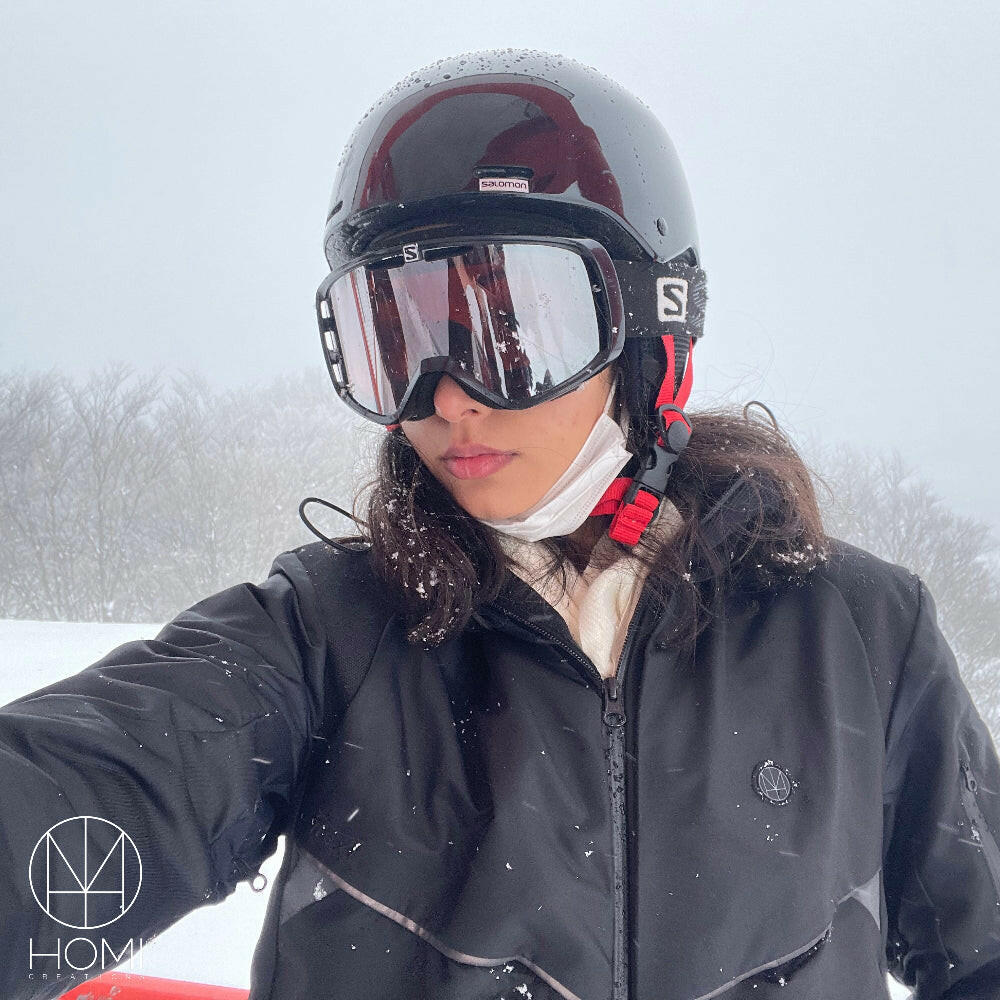
Ski Australia from the USA: Your Guide to Melbourne, Sydney, Perisher & Thredbo
Planning to ski or snowboard in New Zealand? Explore Queenstown, Mt Hutt, and Cardrona on the South Island. Perfect off-season ski trip for Americans—stay warm with HOMI’s Thermal Base Layer & Heated Jacket.