

First-Time Skiing in Niseko? Your Complete Hokkaido Winter Outfit & Ski Guide
Planning your first ski trip to Niseko, Hokkaido but have no idea what to wear or where to start? This guide covers everything from what to pack for temperatures ranging from 0°C to -15°C, to beginner-friendly ski tips, costs, and gear advice.
We'll help you answer:
- ❌️ How to layer smartly so you stay warm without looking bulky
- 🎿 Which ski gear and slopes are best for beginners
- 💰 How much a Niseko ski trip actually costs
- 🏙️ Where to stay and what to do off the slopes
- ⛷️ Snowboard or skis — which should you choose?
- ⏱️ A time-saving trick to avoid crowds and ski longer
Already planning your broader Hokkaido trip? Check out our Ultimate Guide to Winter Outfits in Hokkaido for city and resort outfit tips covering Sapporo, Furano, and Rusutsu too.
Best Time to Ski in Niseko: December vs January vs February
Niseko's ski season runs from late November to early May, but the sweet spot depends on what you're after:
| Month | Conditions | Best For |
|---|---|---|
| Late Nov – Dec | Snow building, -3°C to -8°C, fewer crowds | Budget travelers, first-timers avoiding peak crowds |
| January | Peak powder, -8°C to -15°C, busiest period | Best snow quality, powder chasers, experienced skiers |
| February | Consistent powder, -5°C to -12°C, still busy | Great balance of snow quality and manageable crowds |
| March – April | Warming up, 0°C to -5°C, spring skiing | Budget travelers, longer daylight, softer snow |
Best for first-timers: Early February or late December — good snow, slightly fewer crowds than peak January, and more affordable accommodation.
Understanding Niseko's Winter Temperatures
From December to late February, Niseko's temperature usually stays between 0°C and -10°C, sometimes dropping to -15°C. The region is famous for its light, dry powder snow — some of the best in the world — making it a dream destination for ski lovers worldwide.
Dressing for Niseko: Warm Without the Bulk
The key to staying warm is not wearing more layers — it's wearing the right layers. Indoor spaces in Hokkaido are heated, often very warmly. If you overdress, you'll end up peeling off layers and sweating indoors, which makes you colder when you step back outside.
Avoid traditional thermal wear that traps heat without breathability — great outside, but uncomfortably stuffy inside. Sweating and trapped moisture can actually make you colder once you return outdoors.
The HOMI BASE+ 2.0 Thermal Layer: Designed for Cold Weather Travel
Unlike typical thermals, HOMI's BASE+ 2.0 offers:
- Soft, skin-friendly warmth
- Exceptional breathability and moisture-wicking
- Quick-dry performance — wash at night, dry by morning
For beginners who don't want to invest in expensive professional base layers, the BASE+ 2.0 doubles as a stylish outer top — unlike most underlayers that look like underwear. Wearable throughout the colder months, even outside ski season.

One Jacket for Both Skiing & Sightseeing
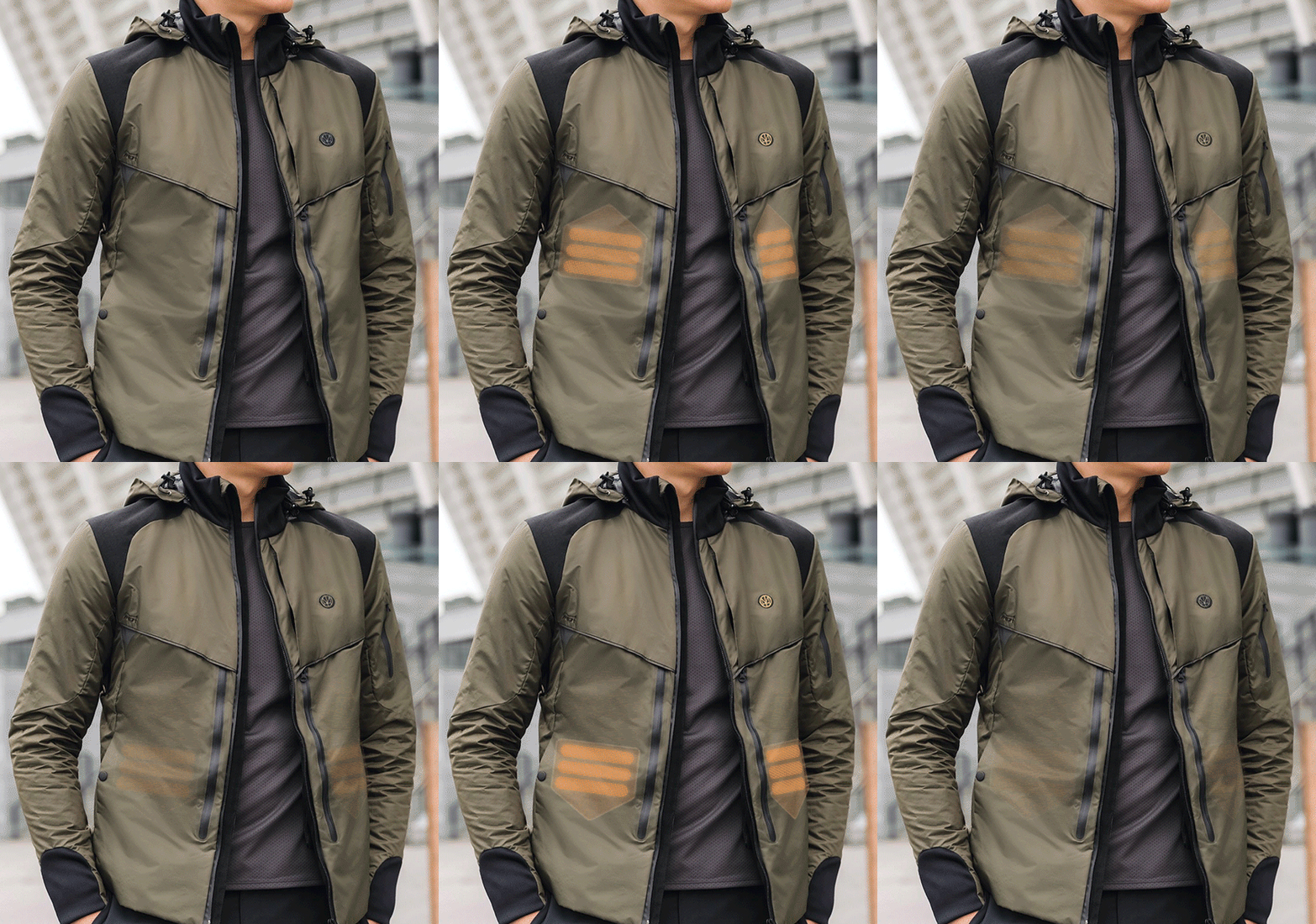
Many ski jackets are simply windproof shells and not inherently warm — you still need an insulated mid-layer. HOMI's Next 2.0 Heated Jacket changes that by combining:
- Carbon fiber heating elements across chest, back, and core
- Adjustable warmth via any safety-certified 5V 1A or 5V 2A power bank
- Water-repellent exterior for Niseko's heavy powder days
- Street-friendly style that works on the slopes or in town
With a BASE+ 2.0 + Next 2.0 Heated Jacket, you can comfortably handle -5°C to -15°C without bulk.
Niseko United: The 4-Resort Interconnected Pass
Niseko United connects four ski resorts — Annupuri, Niseko Village, Hirafu (Grand Hirafu), and Hanazono — under a single lift pass system. For first-timers, this is important to understand before you buy:
- All-Mountain Pass: Access to all 4 resorts — best value if you plan to explore multiple areas
- Single Resort Pass: Cheaper, ideal for beginners who'll stay on one mountain
- 4–5 Hour Pass: Best value for beginners — start at 11 AM, ski until 3–4 PM while avoiding peak lift queues
Lift passes typically range from ¥5,000–¥8,500/day depending on resort and season. Book online in advance for discounts of up to 15%.
How Much Does a Niseko Ski Trip Cost?
Niseko is one of Asia's most premium ski destinations — here's a realistic budget breakdown for a first-timer:
| Expense | Budget Range (per day) |
|---|---|
| Lift pass | ¥5,000–¥8,500 |
| Ski/snowboard rental | ¥5,000–¥8,000 |
| Ski instructor (optional) | ¥10,000–¥20,000 for group lesson |
| Food & drinks on mountain | ¥2,000–¥5,000 |
| Accommodation (Hirafu area) | ¥10,000–¥40,000+ per night |
| Gear (if buying) | BASE+ 2.0 + Next 2.0 = one-time investment, reusable every season |
Money-saving tip: Buy a 4–5 hour pass starting at 11 AM, eat before you go up, and book accommodation in Annupuri or Niseko Village instead of Hirafu for lower prices with easy slope access.
Choosing the Right Ski Resort in Niseko for Beginners
- ✅ Annupuri – Gentle slopes, ideal for first-timers, less crowded
- ✅ Hanazono – Gondola access to long, wide beginner runs
- ❌ Niseko Village – Complex terrain, not ideal for new skiers
- ⚠️ Hirafu (Grand Hirafu) – Great variety but very crowded, better for intermediate skiers

Where to Stay in Niseko for First-Timers
Niseko's accommodation clusters around the four resort bases. Here's what to know as a first-timer:
- Hirafu Village — The most popular and lively area, with restaurants, bars, and ski-in/ski-out options. Most expensive, and crowded in January. Best if nightlife and convenience matter to you.
- Annupuri Base — Quieter, more affordable, and directly at the best beginner slopes. Ideal for first-timers focused on skiing rather than après-ski.
- Hanazono — Newer development, less crowded, good for families. Limited dining options but excellent beginner terrain.
Tip: Book accommodation with onsen (hot spring bath) access — soaking after a day on the slopes is one of Hokkaido's greatest pleasures and helps with muscle recovery.
What to Do in Niseko Besides Skiing
Niseko isn't just about the slopes. Here's what to do on rest days or after skiing:
- ♥️ Onsen (hot springs) — Niseko and nearby Yukawa Onsen offer natural hot spring baths. After a day in -10°C, there's nothing better. The Next 2.0 is perfect for the walk between your accommodation and the onsen in sub-zero temperatures.
- 🍣 Niseko town dining — Hirafu has excellent Japanese restaurants, ramen shops, and izakayas. Avoid eating on the mountain — it's expensive and the village food is far better.
- 🚗 Day trip to Otaru — The historic canal city is 90 minutes from Niseko and worth a half-day visit. Pair with our Hokkaido winter outfit guide for city outfit tips.
- 🌨️ Snowshoeing & snowmobile tours — Great for non-skiers in your group or rest-day activities.
Snowboard vs. Ski: Which Should You Choose?
- Skiing (two skis) – Easier to pick up on day one; harder to master advanced techniques
- Snowboarding (single board) – Trendier and stylish, but expect many falls early on. Wear padded shorts to protect your hips.

Should Beginners Hire a Ski Instructor?
Absolutely. A coach helps you learn how to properly wear and adjust ski gear, understand basic safety rules on the slopes, and avoid wasting your first day struggling in the snow. Group lessons at Niseko typically cost ¥10,000–¥20,000 and are worth every yen for first-timers.
Niseko Ski Trip Packing List
| Category | What to Pack |
|---|---|
| Base Layer | BASE+ 2.0 Thermal Top × 2, thermal leggings |
| Outer Layer | Next 2.0 Heated Jacket — water-repellent, carbon fiber heating |
| Mid Layer (optional) | Sustain Sport Heated Vest for -15°C days |
| Bottoms | Waterproof ski pants over thermal leggings |
| Feet | Ski boots (rental available) + warm ski socks |
| Hands | Waterproof ski gloves or mittens |
| Head | Ski helmet + thermal beanie or balaclava |
| Eyes | Ski goggles — essential for powder days |
| Power | Safety-certified 5V 1A or 5V 2A power bank for heated gear |
Frequently Asked Questions: First-Time Skiing in Niseko
What is the best time to ski in Niseko for beginners?
Early February or late December offer the best balance of good snow, manageable crowds, and slightly lower prices than peak January. Avoid the first two weeks of January if you're sensitive to crowds and lift queues.
What should I wear skiing in Niseko for the first time?
Start with a moisture-wicking thermal base layer like the HOMI BASE+ 2.0, add a water-repellent heated outer jacket like the Next 2.0, and wear waterproof ski pants. Don't forget ski goggles, gloves, and a helmet. Avoid cotton — it traps moisture and makes you colder.
How cold is Niseko in winter?
Niseko averages -5°C to -10°C from December to February, with occasional drops to -15°C. Wind chill on the slopes makes it feel colder. The BASE+ 2.0 + Next 2.0 combination handles this range comfortably.
How much does a Niseko ski trip cost?
Budget roughly ¥20,000–¥30,000 per day for lift pass, rental gear, food, and accommodation (mid-range). January is the most expensive period. Late December and March offer better value with still-excellent snow conditions.
Is Niseko good for beginner skiers?
Yes — Annupuri and Hanazono are excellent for beginners with gentle, wide slopes. Avoid Hirafu and Niseko Village until you're more confident. Hiring a ski instructor for your first day is strongly recommended.
Do I need a ski jacket or can I use a regular jacket in Niseko?
You need a waterproof, windproof outer layer — a regular jacket won't cut it in Niseko's powder snow. The HOMI Next 2.0 works as both a ski jacket and a city jacket, making it ideal for trips that combine skiing and sightseeing.
What is Niseko United?
Niseko United is the interconnected lift pass system covering all four Niseko resorts — Annupuri, Niseko Village, Grand Hirafu, and Hanazono. For beginners, a single-resort pass at Annupuri or Hanazono is usually better value than the all-mountain pass.
What power bank works with HOMI heated gear?
Any safety-certified power bank with 5V 1A or 5V 2A output — the most common standard worldwide. No proprietary battery required.
Ready to hit the slopes? Explore HOMI's full heated apparel collection and gear up for your first Niseko ski adventure. For your full Hokkaido trip, don't miss our complete Hokkaido winter outfit guide covering Sapporo, Furano, and Rusutsu.

Also in Blog

How to Dress for Winter in New Zealand & Australia

Why a Heated Jacket is a Must-Have for Winter Adventures
Ski Australia from the USA: Your Guide to Melbourne, Sydney, Perisher & Thredbo
Planning to ski or snowboard in New Zealand? Explore Queenstown, Mt Hutt, and Cardrona on the South Island. Perfect off-season ski trip for Americans—stay warm with HOMI’s Thermal Base Layer & Heated Jacket.